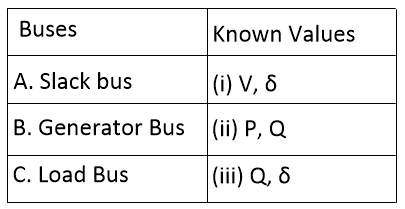
Bus Type - Known Parameter - Unknown Parameter Load Bus -P, Q - V, phase angle Generator Bus - P, V (magnitude) - Q, Voltage phase angle Slack Bus Voltage - magnitude and phase angle - P, Q
A coil having large number of turns of fine wire is wound on the middle limb of the shunt magnet. This coil is known as pressure or voltage coil and is connected across the supply mains. The voltage coil produces a high ratio of inductance to resistance.
Here auto transformer change voltage from 600 V to 200 V. Voltage ratio (a) = 600/200 = 3 kVA rating of the auto-transformer = (a/(a - 1))*(kVA rating of auto transformer) = (3/2)*20 = 30 kVA
Dynamic voltage restoration (DVR) is a method of overcoming voltage sags and swells that occur in electrical power distribution. Devices used for DVR include static var devices, which are series compensation devices that use voltage source converters (VSC). The DVR is used to inject three phase voltage in series and in synchronism with the network voltages in order to compensate voltage disturbances with a benefit of active /reactive power control.
 EXAMIANS